
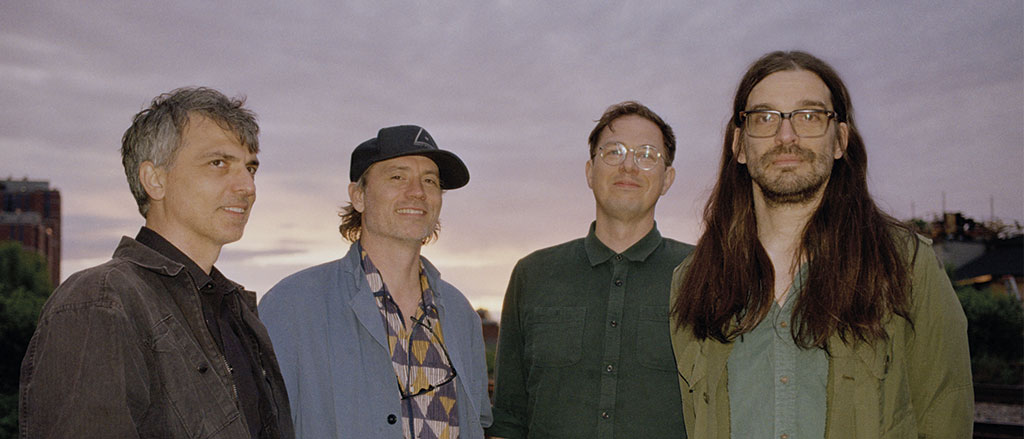
Holy Fuck is a Toronto-based quartet that can be described as an electronic band, though they avoid the usual techniques and trappings of the genre: they prefer to use real instruments (bass, drums) and non-instruments (such as toy keyboards) to create and reproduce electronic sounds and effects. So we’ll leave it at electro-rock, a term they turn into an ecstatic, heterodox, improvised, and energetic experience on stage. Or, as they self-describe, a display of electronic music with a human touch—an option these Canadians consider more relevant than ever in these times of so-called Artificial Intelligence.
They formed in 2004 as part of the Canadian label-collective Dependent Music, and from their self-titled debut album in 2005—krautrock-inspired—they earned critical praise. That album made it into the Montreal Mirror’s year-end Top 10, for instance. They also became regulars at major festivals, including Coachella, Lollapalooza, and Glastonbury; at the latter, in 2007, NME selected them as the third best live act of the event.
When they released their second album, LP (2007)—the jazziest of their career—they were nominated in Canada both for the Juno Awards and the Polaris Music Prize in the Best Alternative Album category. M.I.A. chose them that year and the next to open for her in the United States. Their third album, Latin (2010), climbed to #14 on the Billboard dance chart, but after that came six years of silence.
In 2016 they returned with Congrats, the record that best condensed their strange melodic sensibilities and thrilling eccentricity, making them more accessible—and the one that most justified the praise they had received from figures like Lou Reed and Thom Yorke. Recorded in just three days in the studio, their vision of electronic pop appeared clearer than ever: not only chaos, but also subtlety, with “Xed Eyes” sounding like a James Murphy track and “Neon Dad” like something Foals might have made—if Foals didn’t take themselves so seriously. It was a successful crossroads of all their wild elements; the album, according to band member Brian Borcherdt, was “the one we couldn’t have made before.”
In 2020 came Deleters, an album where they created a psychedelic, hallucinatory tapestry of euphoric escapism that wouldn’t have been out of place on the dance floor of The Haçienda. Compared to its predecessor, they sounded grittier, funkier in the low end, closer to dance-pop than indie rock, yet just as spontaneous and technicolor as ever—though perhaps searching, just a little bit, for the mainstream. Still, as Uncut wrote, they approached it “from that territory occupied by latter-day Primal Scream or David Holmes, the pleasantly anonymous, groove-driven middle ground that drifts uncommitted between simmering anger and diffuse euphoria.”
And in October 2026 their new album Event Beat will arrive. The moment you press play and hear its opening track, “Evie,” it reveals itself through vibrating bass lines, punk-funk rhythms, and bright layers of synthesizer, offering a hypnotic introduction that never lets the listener go throughout the entire record. As if caught in an endless loop.