
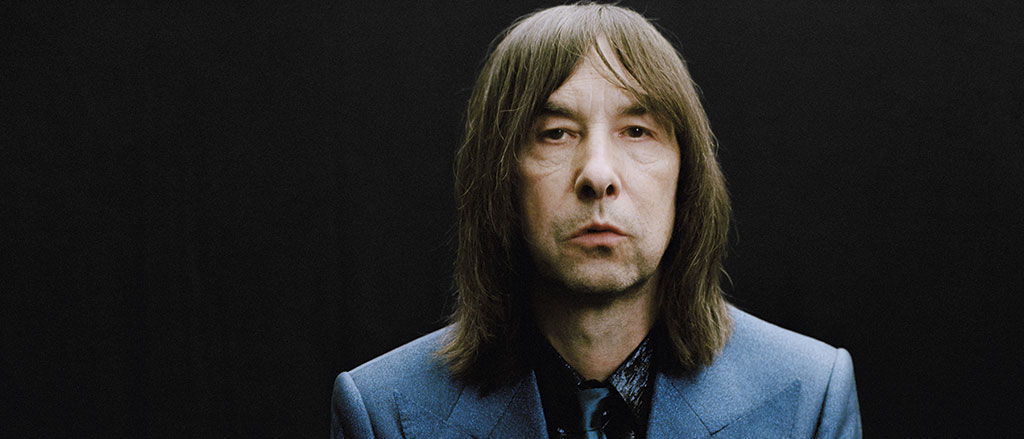
Primal Scream are one of the most influential and unpredictable bands of the past four decades. Formed in Glasgow in the mid-1980s around the charismatic figure of Bobby Gillespie, the group emerged during the rise of British indie with a sound that blended jangle pop, psychedelia and punk attitude. Their evolution has been constant: a restless, shape-shifting journey that has taken them through rock, electronic music, dance, soul and gospel, all while maintaining a distinctive and unmistakable identity. That lack of stylistic limits became the hallmark of a band determined to reinvent themselves with every release.
The turning point came in 1991 with Screamadelica, a masterpiece that redefined British popular music and built a bridge between the rave scene and alternative rock. Produced by Andrew Weatherall, The Orb and Hypnotone, the album is a creative-freedom trip that fuses house, dub, psychedelia and rock with unprecedented fluidity. Songs like “Loaded,” “Come Together” and “Movin’ On Up” not only propelled the band to cult status but also shaped an entire generation, cementing the album as one of the most important of the modern era. Screamadelica earned Primal Scream the very first Mercury Prize in 1992 and remains, more than thirty years later, an untouchable reference point.
Far from repeating themselves, Primal Scream continued exploring new paths. In 1994 they released Give Out But Don’t Give Up, embracing Southern rock and soul with collaborations from George Clinton and Denise Johnson. In 1997 they surprised again with Vanishing Point, a dark and expansive record inspired by cult cinema that returned them to the cutting edge with trip hop, dub and krautrock textures. Then came high-intensity albums such as XTRMNTR (2000), a fierce burst of industrial electronic and political rage; Evil Heat (2002), where electro-punk and experimentation collide; and Riot City Blues (2006), a return to raw rock and roll energy. Each new phase showcased the band’s remarkable ability to stay in motion and keep expanding the boundaries of British rock.
Across the following two decades, Primal Scream remained a vital creative force, releasing albums such as Beautiful Future (2008), More Light (2013) and Chaosmosis (2016), surrounded by key collaborators and sustaining a live reputation that never faltered. The band have managed to blend their legacy with a rebellious spirit that keeps them relevant across generations: those who lived the Screamadelica revolution, those who grew up with XTRMNTR, and new listeners discovering a discography that refuses to age because it refuses to repeat itself.
Primal Scream stand for more than just a musical career: they embody creative freedom, intelligent hedonism and constant reinvention. They are living history of British rock, a band that has profoundly influenced alternative, electronic and indie music for over 40 years. Seeing them live remains a transformative experience—a collective ritual of anthems, experimentation, groove and sheer electricity. Few bands have evolved so much without losing their soul. And few still sound as alive.